
 KH
 FR
 AR
 CN
ADB Advances Resilient Agriculture and Women’s Economic Empowerment in Rural Cambodia
AKP Phnom Penh, October 26, 2026 —
The Asian Development Bank (ADB) has approved a US$72 million financing package to help Cambodia strengthen rural farming, increase women’s participation in agriculture, and enhance the resilience of about 200,000 smallholder farmers in disaster-prone communes.
According to an ADB’s press release issued on Oct. 26, the financing consists of a US$57 million concessional loan and a US$15 million grant from the Asian Development Fund, which supports countries most in need to meet today’s challenges while building the foundations for lasting growth.
ADB’s financing is complemented by US$23 million in cofinancing from the Association of Southeast Asian Nations Infrastructure Fund, a US$10 million grant from the Green Climate Fund, a US$3 million grant from the Japan Fund for Prosperous and Resilient Asia and the Pacific (financed by the Government of Japan through ADB), and a US$4.3 million contribution from the Government of Cambodia.
“Investing in smallholder farmers, particularly women, is essential for boosting the rural economy and supporting poor communities that are most vulnerable to extreme weather events,” said ADB Country Director for Cambodia Ms. Yasmin Siddiqi.
“By helping women lead and participate in local decision-making and development programmes, this project will scale up inclusive agricultural value chains and strengthen food systems, while driving women-led businesses and supporting families to build healthier, more secure, and resilient futures.”
Overlapping natural hazards such as heatwaves, drought, and flooding acutely impact Cambodia’s agriculture and food systems—damaging infrastructure, limiting market access, and exacerbating food insecurity, particularly in rural areas where 59 percent of the country’s population lives.
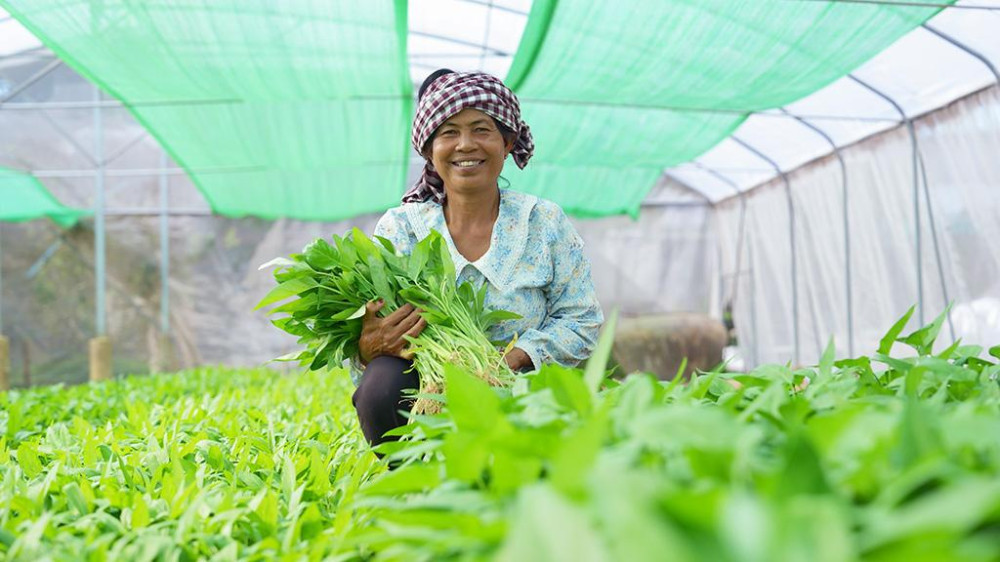
Women, representing 51 percent of Cambodia’s agricultural labor force, remain among the most vulnerable, as they face limited access to economic opportunities, support, and financing.
The Smallholder Resilient Economic Development Sector Project will upgrade agricultural infrastructure and services across 186 communes in seven provinces that are severely vulnerable to natural hazards. It will modernise irrigation systems to serve an additional 7,000 hectares of farmland and rehabilitate 190 kilometres of access roads to connect farmers to markets, jobs, and opportunities, particularly for women and underserved populations.
The project will provide farmers with technical support and training to upgrade their skills and adopt resilient practices in crop production, horticulture, poultry, insect farming, and aquaculture. It will offer grants to help farmers reduce dependence on imported fuel and fertilizers while boosting their resilience to disasters and global shocks.
The project will also enhance community resilience planning by actively engaging women and vulnerable populations in developing and implementing local early-warning and disaster-response systems, promoting healthier diets, and managing natural hazard and disaster risks.
By Phal Sophanith


