 KH
KH  FR
FR  AR
AR CN
CNCambodia’s Banking System Remains Healthy Despite External Risks
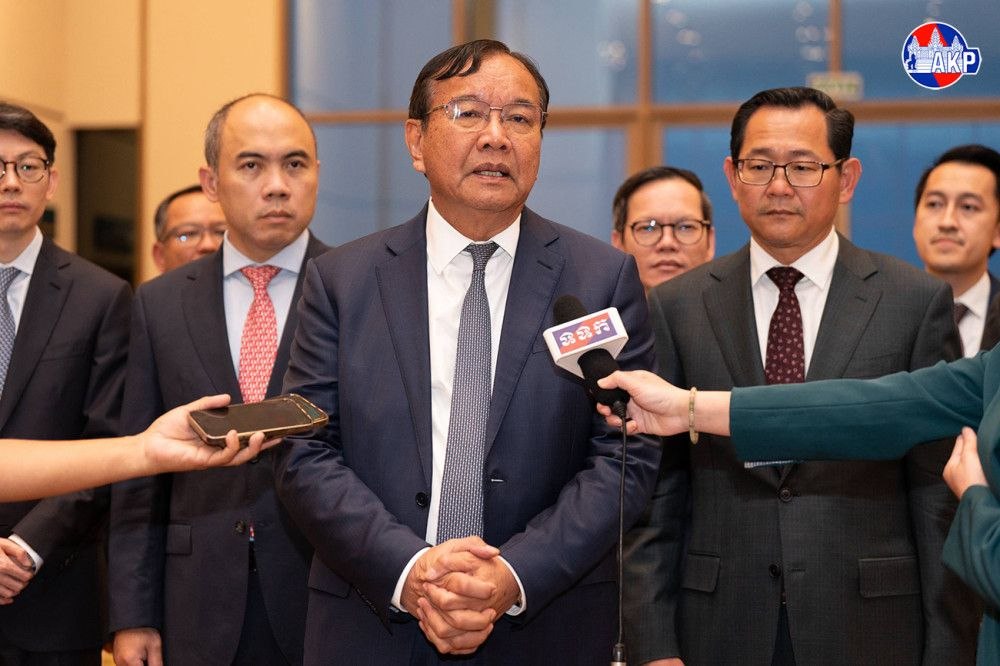
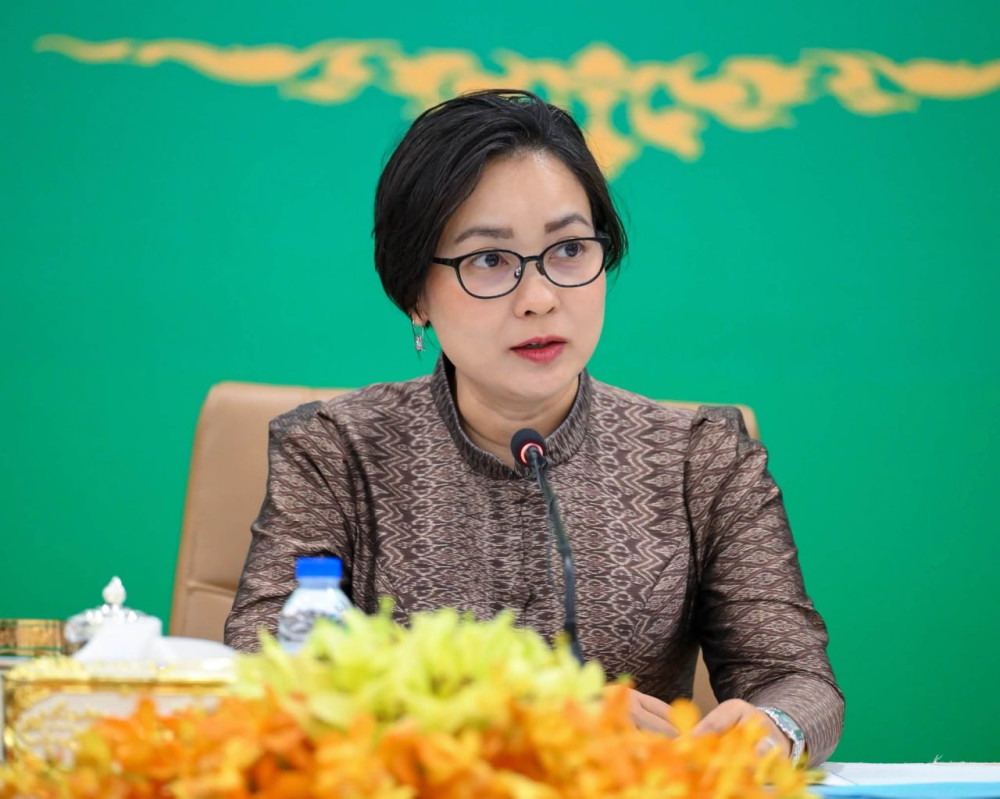
AKP Phnom Penh, July 28, 2026 -- Cambodia’s banking system remains healthy despite facing various challenges, particularly risks stemming from external factors, National Bank of Cambodia (NBC) Governor H.E. Dr. Chea Serey said.
Speaking at the opening of the NBC’s meeting to review work achievements during the first half of 2026 and set objectives for the second half of the year on July 27, the central bank governor said that, due to the prudent development of Cambodia’s banking system over the past three decades, the sector has increasingly been expected by the government, private sector, and public to play a greater role in responding to crises.
The NBC and the country's banking system have worked closely together within their respective mandates, while maintaining price and financial stability as the highest priority, she said.
NBC Governor emphasised that the banking system has implemented prudential measures, including the restructuring of 239,546 loan accounts with a combined value of US$4.8 billion, equivalent to 7.5 percent of the total loan portfolio.
According to the NBC Governor, these measures are now being gradually phased out to further strengthen the resilience of the banking system.
As of the first half of 2026, Cambodia's banking system comprised 61 deposit-taking banking and financial institutions, including 58 commercial banks and three deposit-taking microfinance institutions, according to the NBC’s report.
It also included 104 non-deposit-taking banking and financial institutions, consisting of seven specialised banks, 85 non-deposit-taking microfinance institutions and 12 financial leasing institutions, as well as 88 rural credit institutions.
Banking system assets increased by 2.5 percent to 399.3 trillion Riel (US$99.8 billion). Customer loans rose by 4.6 percent to 256.7 trillion Riel (US$64.2 billion), while customer deposits grew by 4.4 percent to 257.4 trillion Riel (US$64.4 billion). Total capital increased by 3 percent to 42 trillion Riel (US$10.5 billion).
By Sum Kosal