 KH
KH  FR
FR  AR
AR CN
CNDPM Prak Sokhonn: Cambodia Proposes Three Options to Resolve Maritime Boundary Issue with Thailand
AKP Phnom Penh, September 16, 2026 --
Cambodia has proposed that the Conciliation Commission established under the United Nations Convention on the Law of the Sea (UNCLOS) assist Cambodia and Thailand in reaching an agreement or treaty to jointly delimit their maritime boundary, said Deputy Prime Minister and Minister of Foreign Affairs and International Cooperation H.E. Prak Sokhonn on Wednesday evening.
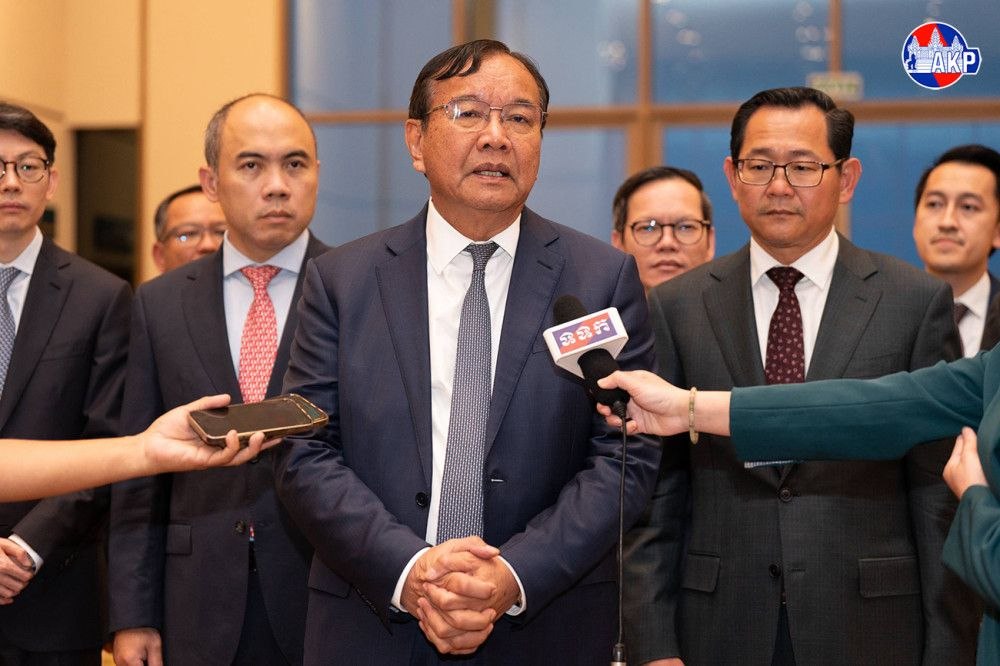
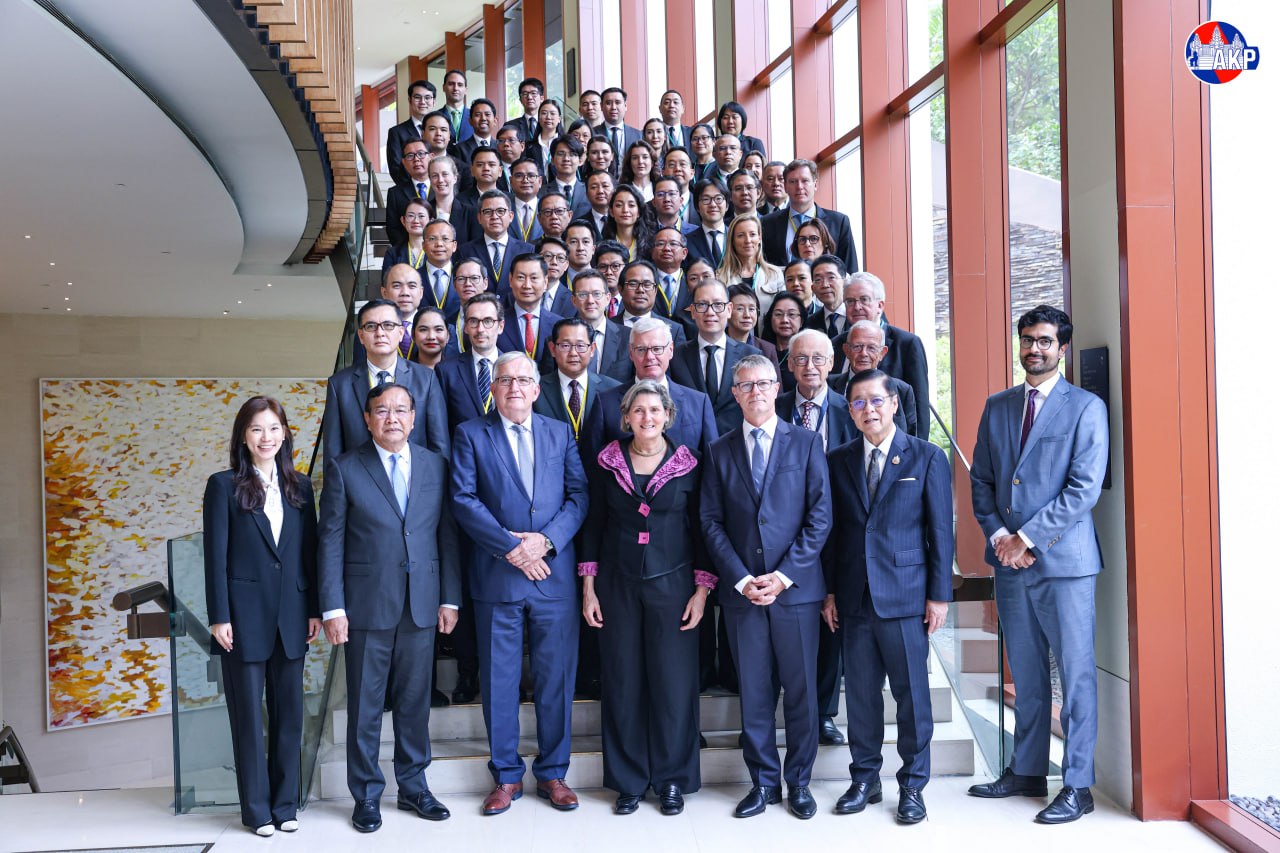
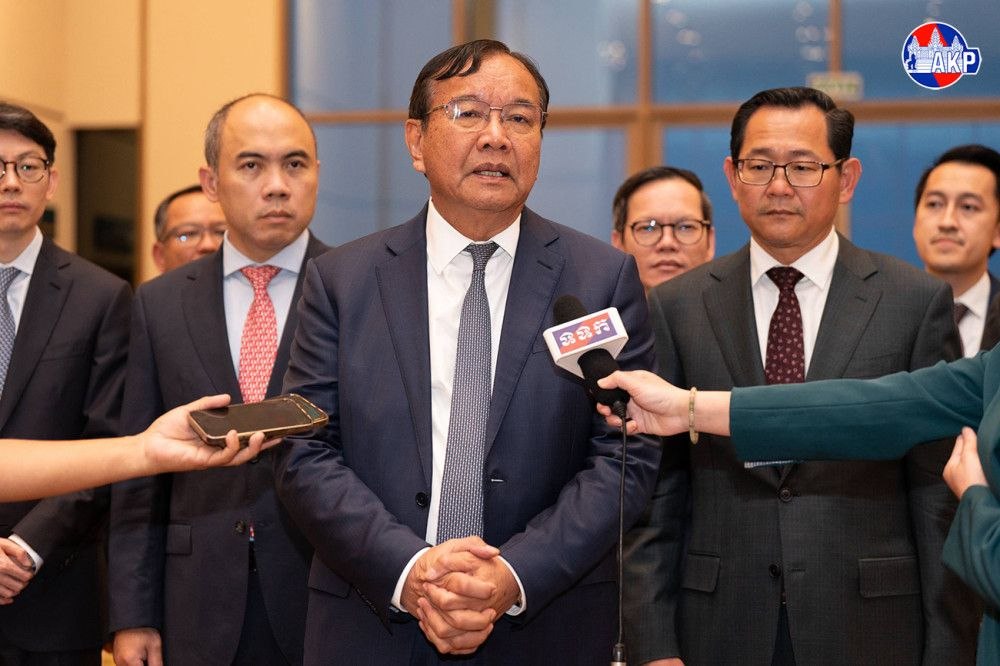
Speaking to reporters at Techo International Airport after returning from Singapore, where he attended the first meeting of the UNCLOS Conciliation Commission involving Cambodia and Thailand, H.E. Prak Sokhonn said Cambodia had presented several approaches to resolving the long-standing maritime boundary issue.
Cambodia’s top diplomat explained that the initiative to launch the conciliation process was aimed at establishing a mechanism to replace the previous framework for resolving maritime boundary issues between Cambodia and Thailand, established under the 2001 Memorandum of Understanding (MOU 2001), which Thailand unilaterally terminated on May 5, 2026.
H.E. Prak Sokhonn said Thailand’s unilateral termination of MOU 2001 had left Cambodia and Thailand without a bilateral mechanism to peacefully and legally resolve their maritime boundary dispute.
According to H.E. Prak Sokhonn, Cambodia presented three possible approaches to resolving the long-standing issue.
The first option is to seek an agreement or treaty establishing a single and comprehensive maritime boundary between the two countries, based on international law and with the support of the Conciliation Commission. Cambodia has proposed using the experience of Timor-Leste and Australia as a possible model for such an arrangement.
“If such an agreement or treaty can be reached, it would provide a clear framework for both countries to settle their maritime boundary,” H.E. Prak Sokhonn said.
The second option would be joint development if the two sides cannot immediately agree on a maritime boundary. Under this approach, Cambodia and Thailand would cooperate in developing offshore resources and share the benefits fairly.
H.E. Prak Sokhonn said such cooperation should be conducted in a spirit of mutual respect and cooperation, particularly concerning the exploitation of resources beneath the seabed.
“Cambodia proposes that the Conciliation Commission help the two parties reach an understanding and secure an agreement for the equitable sharing of benefits derived from the exploitation of seabed resources,” he said.
The third option would be for the Conciliation Commission to prepare a report on the overall conciliation process and provide recommendations if neither a maritime boundary agreement nor a joint-development arrangement can be reached.
Cambodia would then use the Commission’s recommendations as a basis for further negotiations with Thailand, with the aim of finding an equitable solution consistent with the obligations of both countries as States Parties to UNCLOS.
The UNCLOS Conciliation Commission is scheduled to hold its second meeting with Cambodia and Thailand in The Hague, the Netherlands, in October, followed by several further meetings as the conciliation process continues.
By Heng Panha