 KH
KH  FR
FR  AR
AR CN
CNICCOS-2026 Concludes with Call for Stronger Global Cooperation Against Online Scams
AKP Phnom Penh, September 24, 2026 --
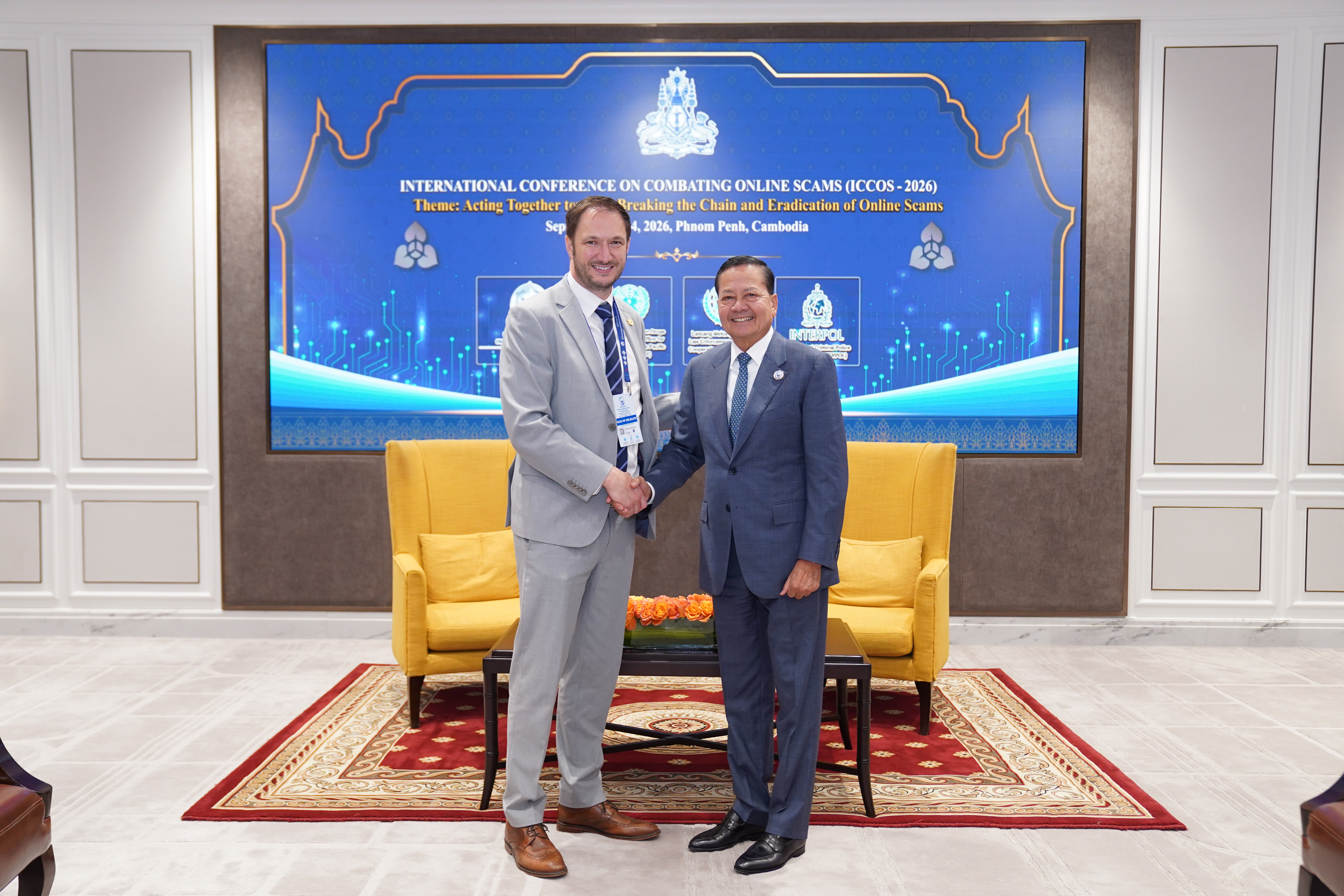
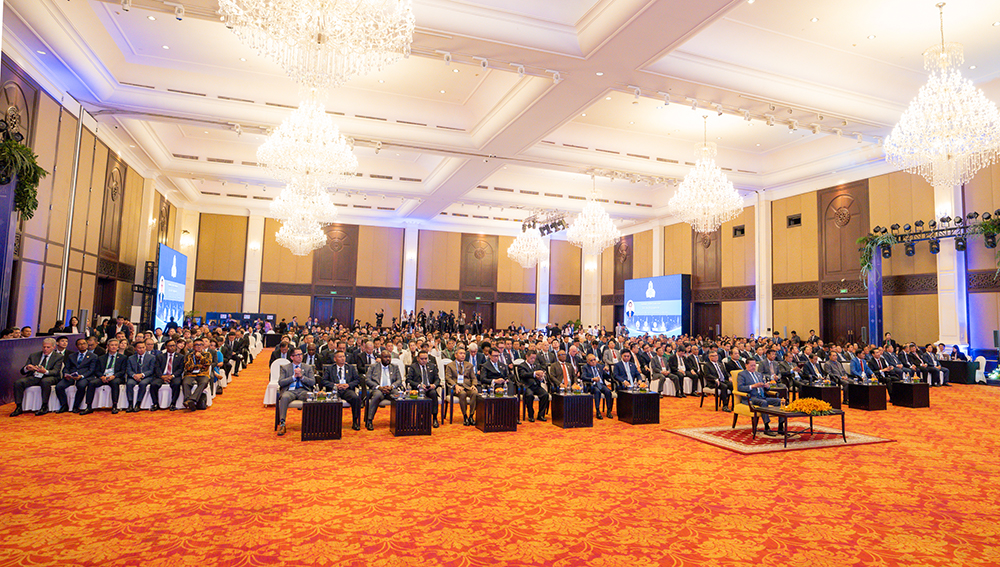
The two-day International Conference on Combating Online Scams (ICCOS-2026), held under the theme “Acting Together Towards Breaking the Chain and Eradication of Online Scams,” successfully concluded in Phnom Penh this morning.
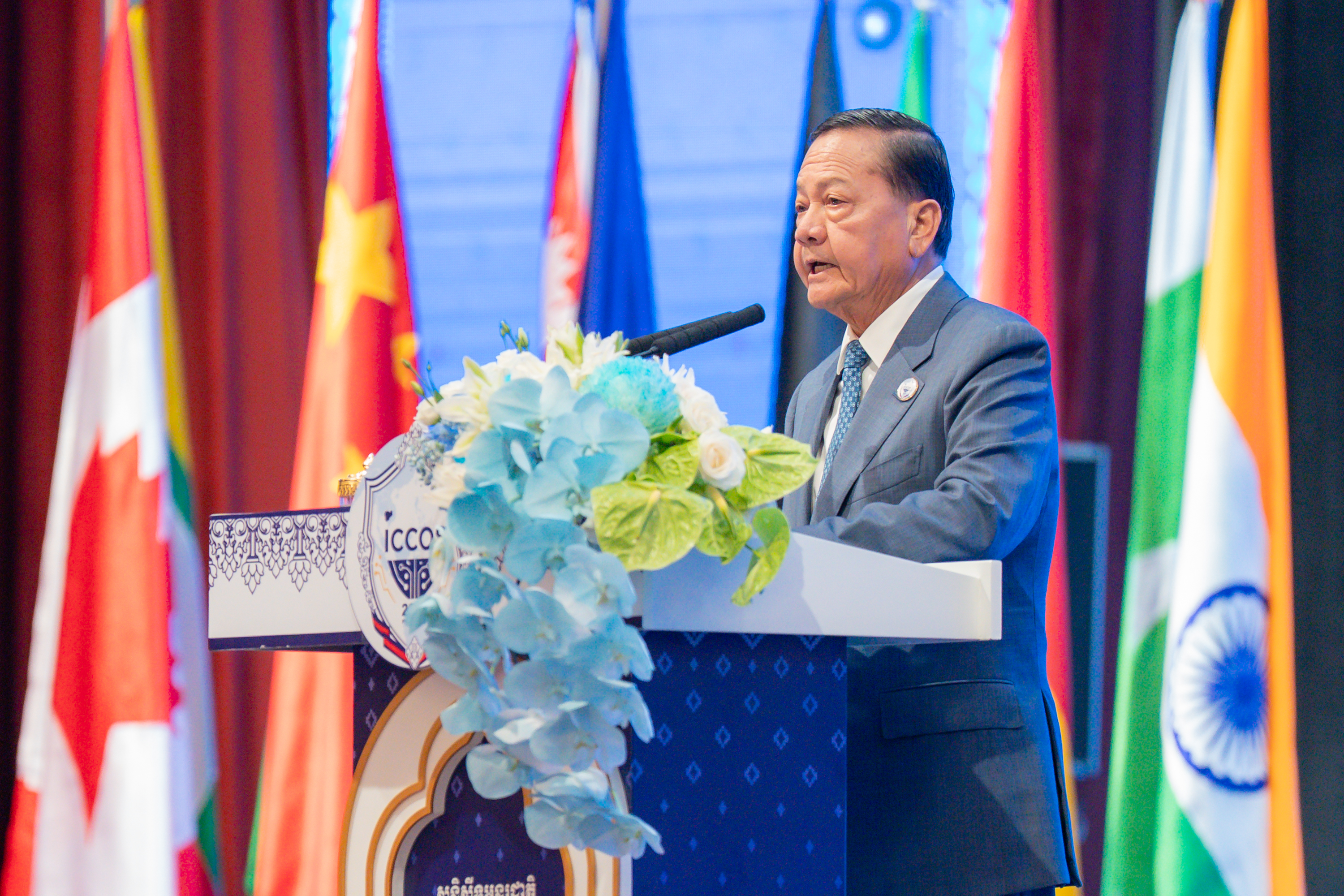
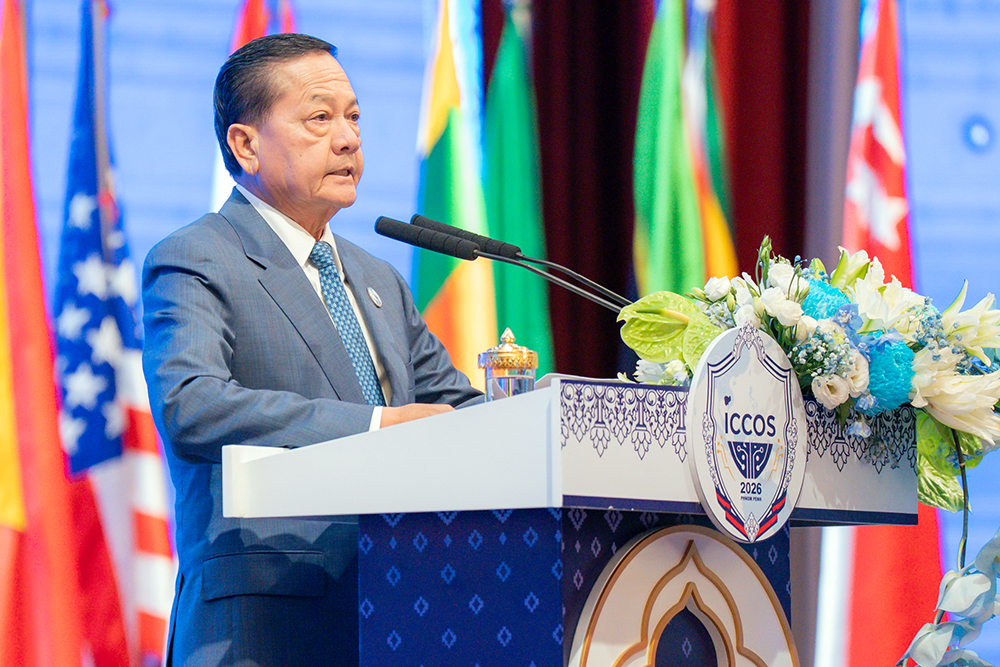
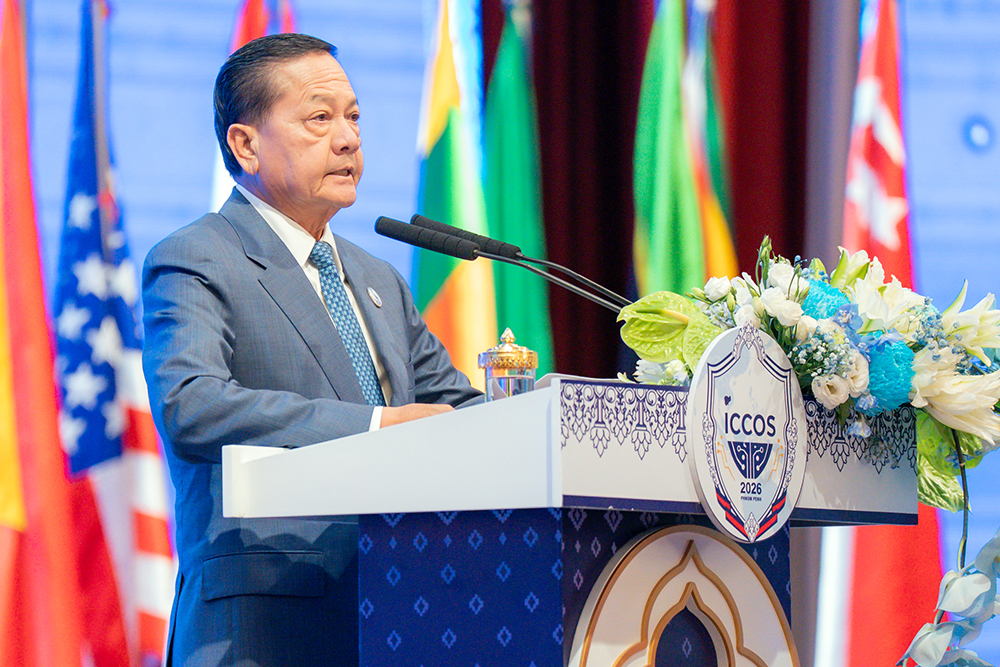
In his closing remarks, H.E. Santibindit Neth Savoeun, Deputy Prime Minister and Vice Chairman of the Ad Hoc Commission for Combating Online Scams of Cambodia, repeatedly called for stronger international cooperation at all levels to effectively combat online scams, stressing that no country can address this increasingly sophisticated transnational crime alone.
The Deputy Prime Minister said that although the conference was relatively short, it had produced meaningful outcomes, with participating delegations sharing and gaining valuable experiences on emerging challenges, cybersecurity resilience, financial investigations and other areas related to combating online scams.
“The best experience and sharing over the past one and a half days is that ‘No country can successfully combat technology-based scams alone. Fighting this crime requires international cooperation at all levels’,” he said.
H.E. Neth Savoeun added that while technological development has improved people’s livelihoods, criminals have also exploited technological advances to cause increasingly serious harm to society, the economy and national security.
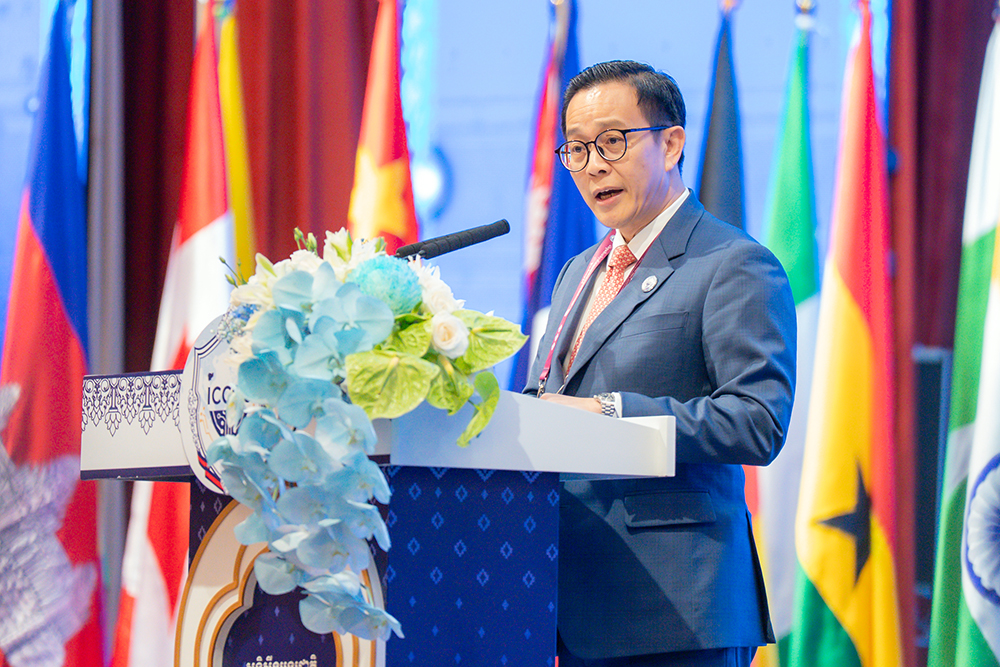
In a summary report, H.E. Path Kosal, Member of the Organising Committee of ICCOS-2026, said the conference brought together governments, law-enforcement agencies, international organisations, financial institutions, technology and telecommunications companies, academia and other stakeholders under the theme “Acting Together Towards Breaking the Chain and Eradication of Online Scams.”
H.E. Path Kosal noted that online scams have evolved into sophisticated and organised criminal operations, with criminal networks increasingly operating across borders and exploiting gaps in domestic laws and digital platforms.
The rapid development of artificial intelligence, synthetic voices, automated messaging and other digital technologies has further complicated efforts to detect and disrupt such crimes. Online scams are also increasingly linked to other forms of organised crime, including human trafficking, money laundering and illicit financial flows.
The conference therefore emphasised that online scams should not be treated solely as a cyber problem, but as a broader transnational crime and governance challenge requiring a whole-of-government and whole-of-society approach.
It called for stronger institutional and law-enforcement capacity, timely intelligence and evidence sharing, coordinated investigations, digital forensics, financial transaction monitoring, asset tracing and recovery, as well as greater involvement from technology and telecommunications companies.
The conference also stressed the importance of protecting victims, noting that some people found working in scam operations may themselves have been trafficked and forced into criminal activities.
H.E. Path Kosal highlighted four key messages from the conference: Responsibility, Result, Resolve and Partnership, emphasising that collective action and stronger international partnerships are essential to disrupting criminal networks, protecting victims and preventing online scams.
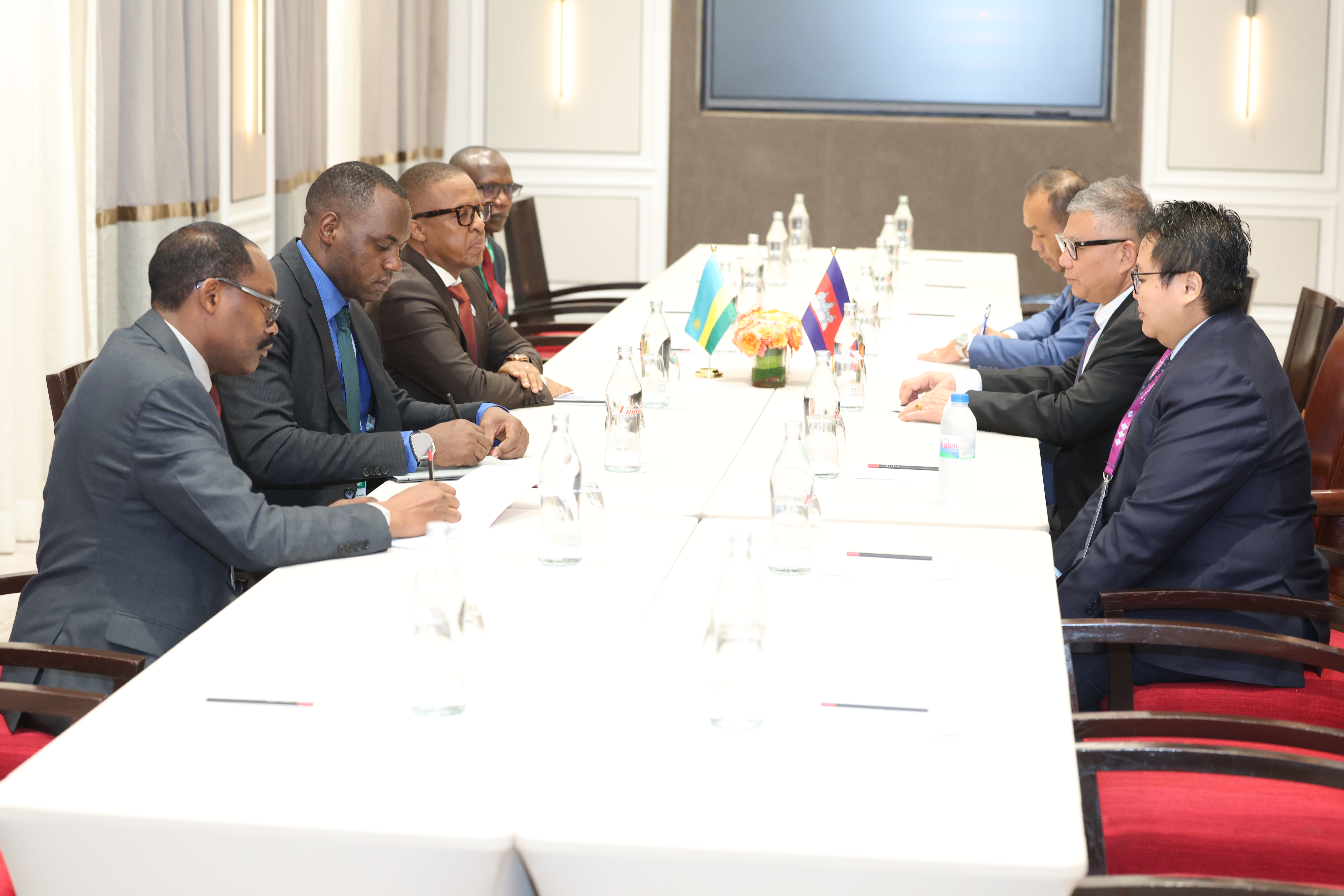
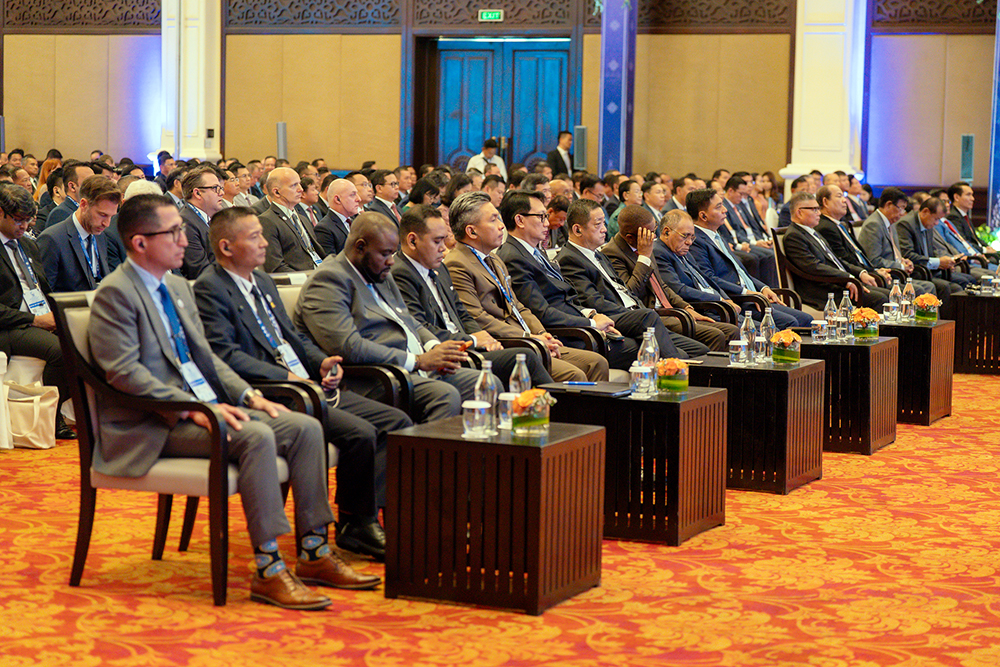
The conference brought together representatives from 27 countries and seven international organisations, as well as more than 340 journalists from 69 local and international media organisations.
By Heng Panha