 KH
KH  FR
FR  AR
AR CN
CNCambodia Establishes First Genetic Conservation Area for Critically Endangered Siamese Crocodile
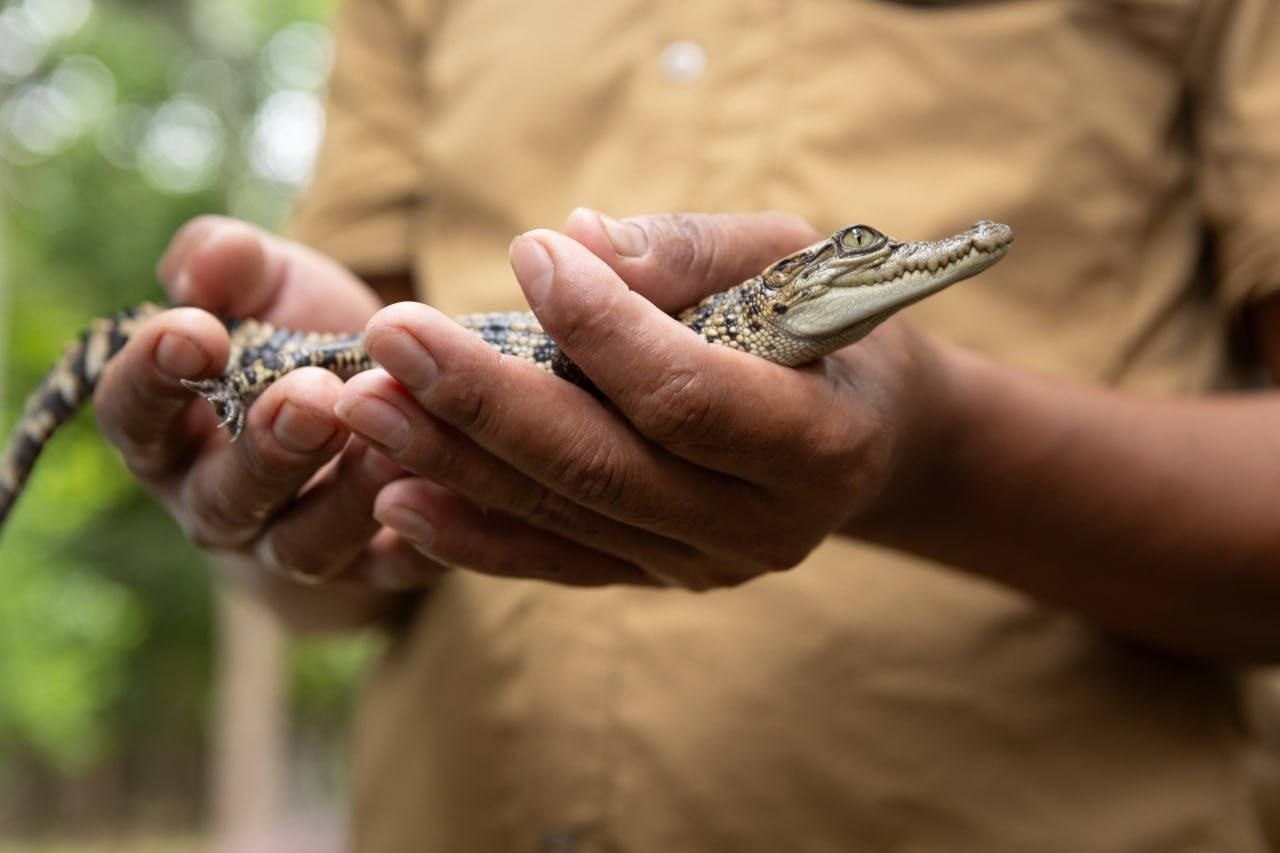
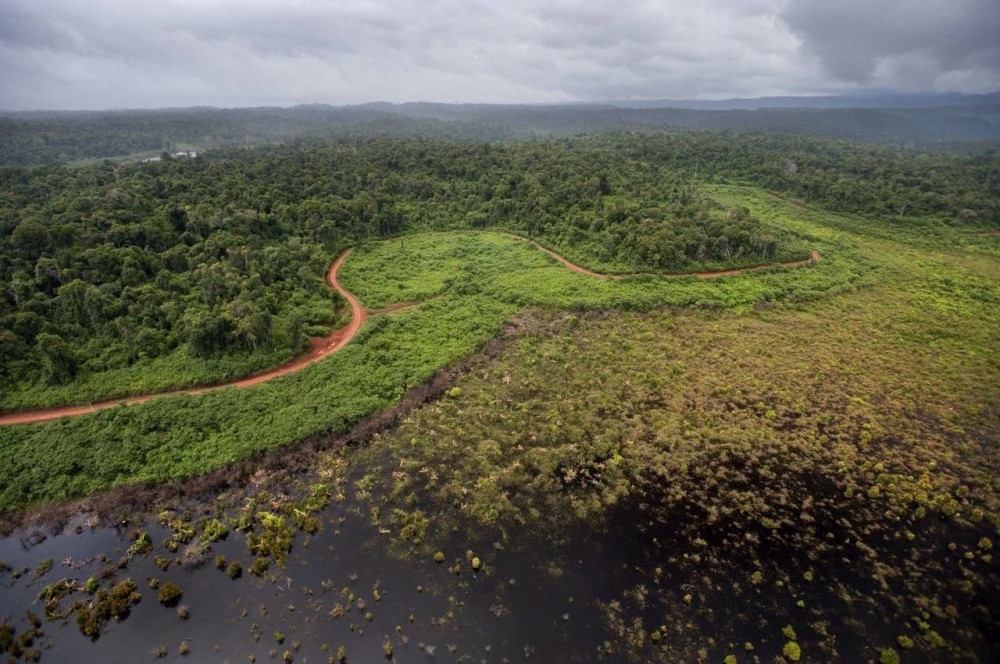
AKP Phnom Penh, September 26, 2026 — Cambodia has officially established its first-ever Genetic Conservation Area for an animal species, designating a 315-hectare nesting habitat in Pursat province to protect the critically endangered Siamese crocodile and conserve its natural genetic diversity, according to a joint press release issued on Sept. 26.
The Boeung Veal Veng Genetic Conservation Area legally protects a key nesting site in Veal Veng Marsh, O’Som Commune, in the Cardamom Mountains. The area is home to the largest remaining population of Siamese crocodiles, with more than 40 individuals recorded there.
The designation is the result of collaboration among the Ministry of Environment, the Ministry of Agriculture, Forestry and Fisheries (MAFF), Conservation International (CI), Fauna & Flora, and local communities. It aims to provide long-term, in-situ protection for the species and its critical wetland habitat.
CI began working with the Royal Government of Cambodia in late 2023 to support the formal protection process. The initiative included public consultations and field visits with village leaders, commune officials, district authorities and relevant national agencies. Partners also used species-monitoring data from Fauna & Flora to identify potential boundaries and develop policy options for the Genetic Conservation Area. The formal Prakas establishing the area was announced on July 22.
“By protecting the last stronghold of globally endangered Siamese crocodiles in the wild, we’re not only saving a species from extinction—we’re supporting Indigenous communities, strengthening law enforcement, and preserving the genetic diversity of this globally important species and its wetland ecosystems for future generations,” said Sony Oum, Country Director of Conservation International Cambodia.
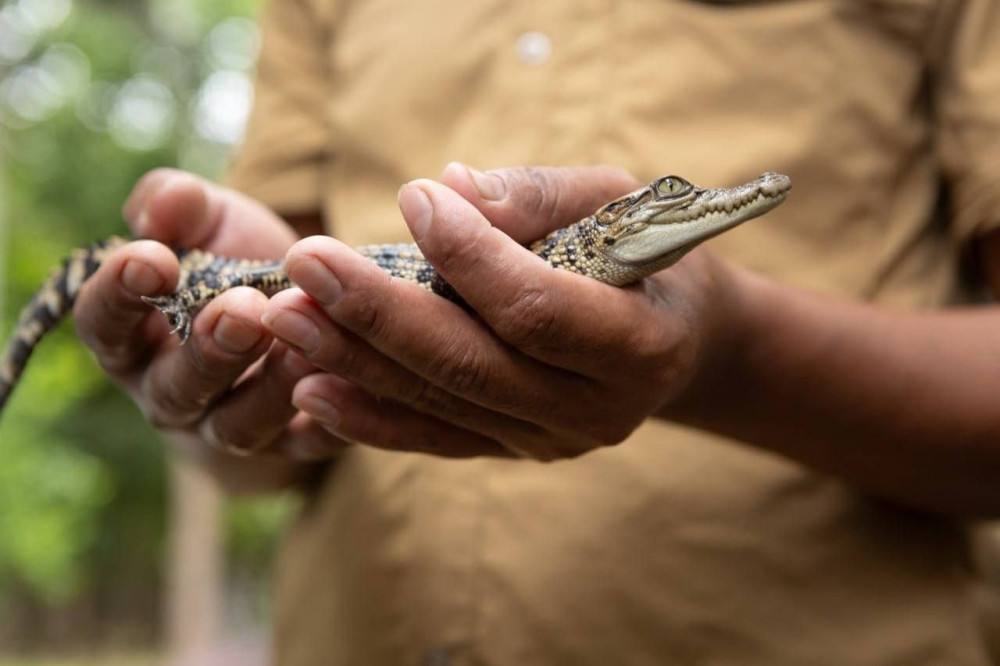
The Siamese crocodile was rediscovered in O’Som in 2000 by Fauna & Flora in partnership with government stakeholders. Conservation efforts since then have focused on habitat protection and a conservation breeding programme, with reintroductions of Siamese crocodiles into the wild taking place since 2012.
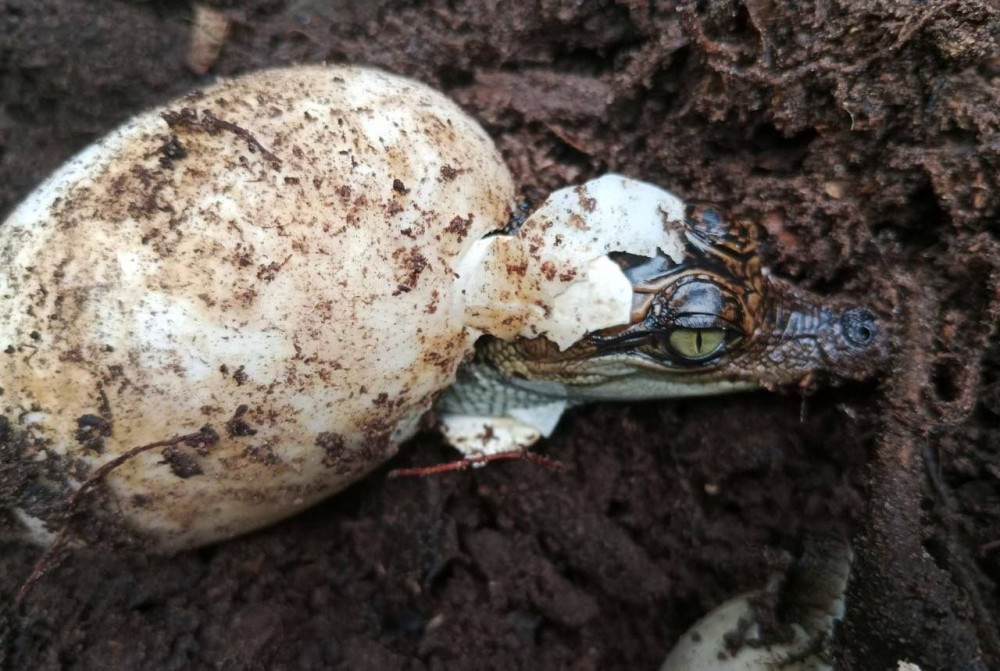
A natural nest containing 17 eggs was discovered in O’Som in June 2025, providing evidence that the area remains an important breeding ground for the species and highlighting the need for stronger legal protection.
Horm Chandet, Country Director of the Fauna & Flora Cambodia Programme, said the recovery of the Siamese crocodile was an important conservation success, but new threats and increasing pressure on habitats required continued efforts. The new Genetic Conservation Area, he said, would strengthen protection for the crocodiles and other wildlife while highlighting the importance of the O’Som wetlands.
MAFF Minister H.E. Dith Tina described the establishment of the area as a milestone in efforts to bring the species back from the brink of extinction. He said MAFF’s conservation breeding and reintroduction programme had successfully returned Siamese crocodiles to natural river systems to help rebuild wild populations.
“Giving this wild population full legal protection over its core nesting habitat is a testament to what we can achieve when ministries, partners, and communities come together,” he said, adding that protecting the species would also contribute to the resilience of Cambodia’s wetland ecosystems.
Environment Minister H.E. Dr. Eang Sophalleth said Boeung Veal Veng was Cambodia’s first Genetic Conservation Area established specifically for an animal species and that its designation reflected the Royal Government’s commitment to securing the survival of the Siamese crocodile.
He noted that the initiative supports the Circular Strategy on Environment 2023–2028, particularly Pillar 2, “Green,” as well as the Natural Resources Protection Strategy, whose Priority Action 2.1 focuses on strengthening the management, legal protection and restoration of natural resources and enforcement on the ground.
The Genetic Conservation Area is a specialised legal designation with stricter enforcement measures than traditional protected areas. It is managed under the jurisdiction of the Pursat Provincial Department of Environment, with support from MAFF, relevant institutions, local authorities and communities, Conservation International, and Fauna & Flora.
By C. Nika